Results
The result is the patient in your chair next week.
Not a certificate. The measure of a training day is whether the next face you assess gets a better plan than it would have on Monday.
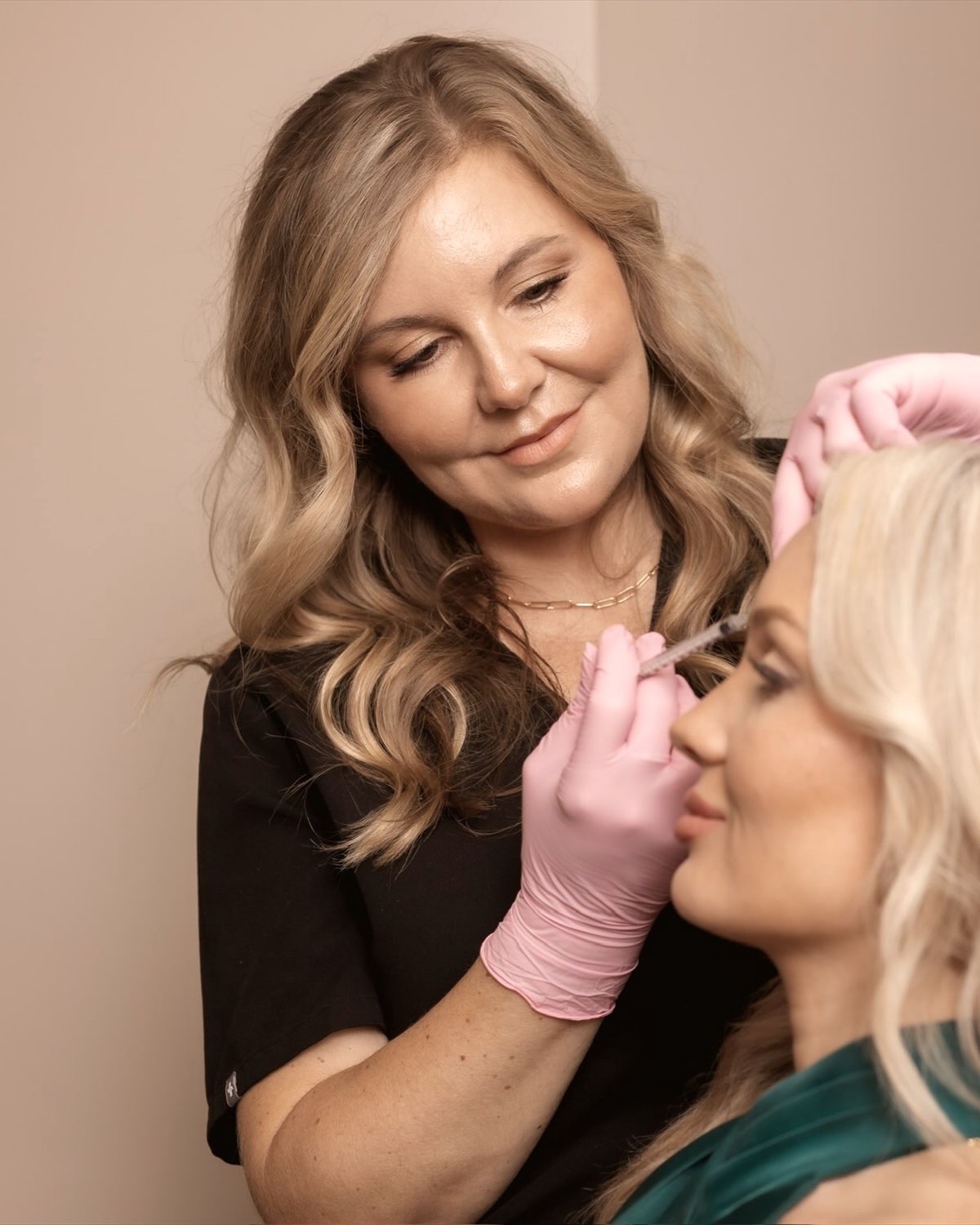
What the training is built to give you
Written as capabilities rather than topics, because this is the part that follows you home.
- Assess a face you have never seen
- Work through a structured facial assessment — proportion, volume, descent, dynamic movement, skin quality — and arrive at a treatment plan that has a reason behind every line of it.
- Choose the right tool
- Decide between a neuromodulator, a hyaluronic acid filler, a biostimulator, or a regenerative treatment based on what the tissue actually needs, rather than on what you are most comfortable injecting.
- Inject with intent
- Place product at a chosen depth, in a chosen plane, with a chosen technique — and be able to say out loud why all three were the right call.
- Recognize trouble early
- Know what a vascular event looks like in the first hour, what is ordinary bruising, and which patient message needs a same-day appointment. Know the management algorithm before you need it.
- Say no well
- Decline a request without losing the patient. This is a technical skill, and it is the one that most protects a practice.
- Sequence a longer plan
- Build a treatment plan that runs across several visits and several modalities, and explain that plan to a patient in a way that makes them want to follow it.
The standard every session is held to
Every technique taught here is measured against four things. If a plan fails any of them, it is the wrong plan — regardless of how good the result photograph would look.
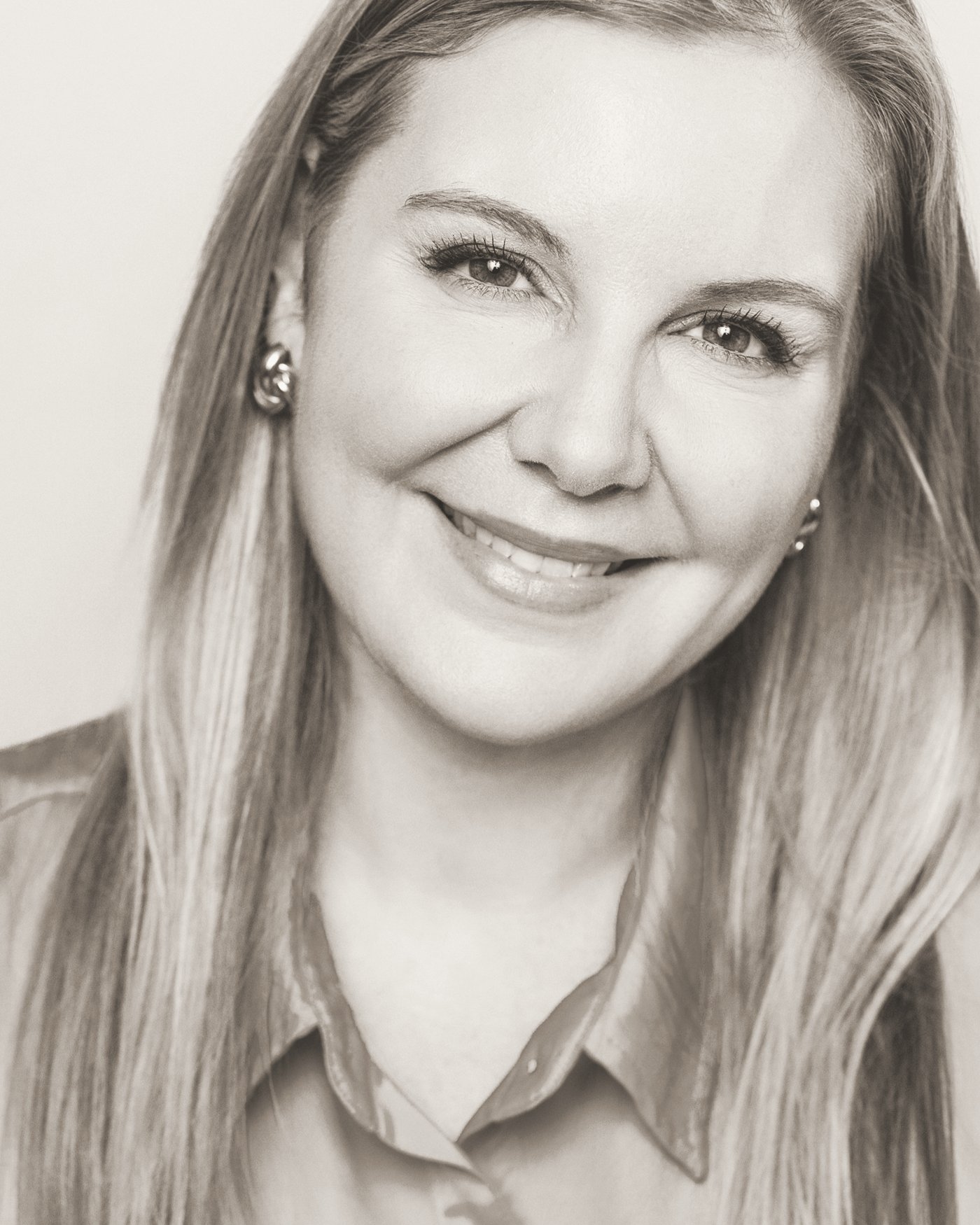
A result that honors the face it was given.
Aesthetic medicine goes wrong most often when a provider treats the pattern instead of the patient. Every session here is built to make that harder to do — by teaching assessment before technique, and restraint before volume.
How her patients describe her
Lauren's public patient reviews return to the same handful of themes. They are worth reading as a description of teaching style as much as chairside manner — providers tend to teach the way they treat.
Themes drawn from Lauren's publicly posted patient reviews. Individual results and experiences vary.
What it changes in your practice
Better injecting is a clinical goal first. It also tends to show up in the parts of the business providers worry about.
- Fewer corrections
- Assessment done properly at the front end means less product placed in the wrong layer, and fewer visits spent fixing something you did four weeks ago.
- Consultations that convert
- A provider who can explain a treatment plan clearly, and decline part of it with a reason, gets said yes to more often than one who lists prices.
- A defensible chart
- Documentation habits, consent conversations, and follow-up protocols that hold up when something needs reviewing.
- Room to grow
- Confidence to add a modality — biostimulators, regenerative treatments, full-face planning — without learning it on your own patients unsupervised.

What do you want to be able to do by spring?
Put it in the intake in your own words. Lauren builds the day backwards from the answer.